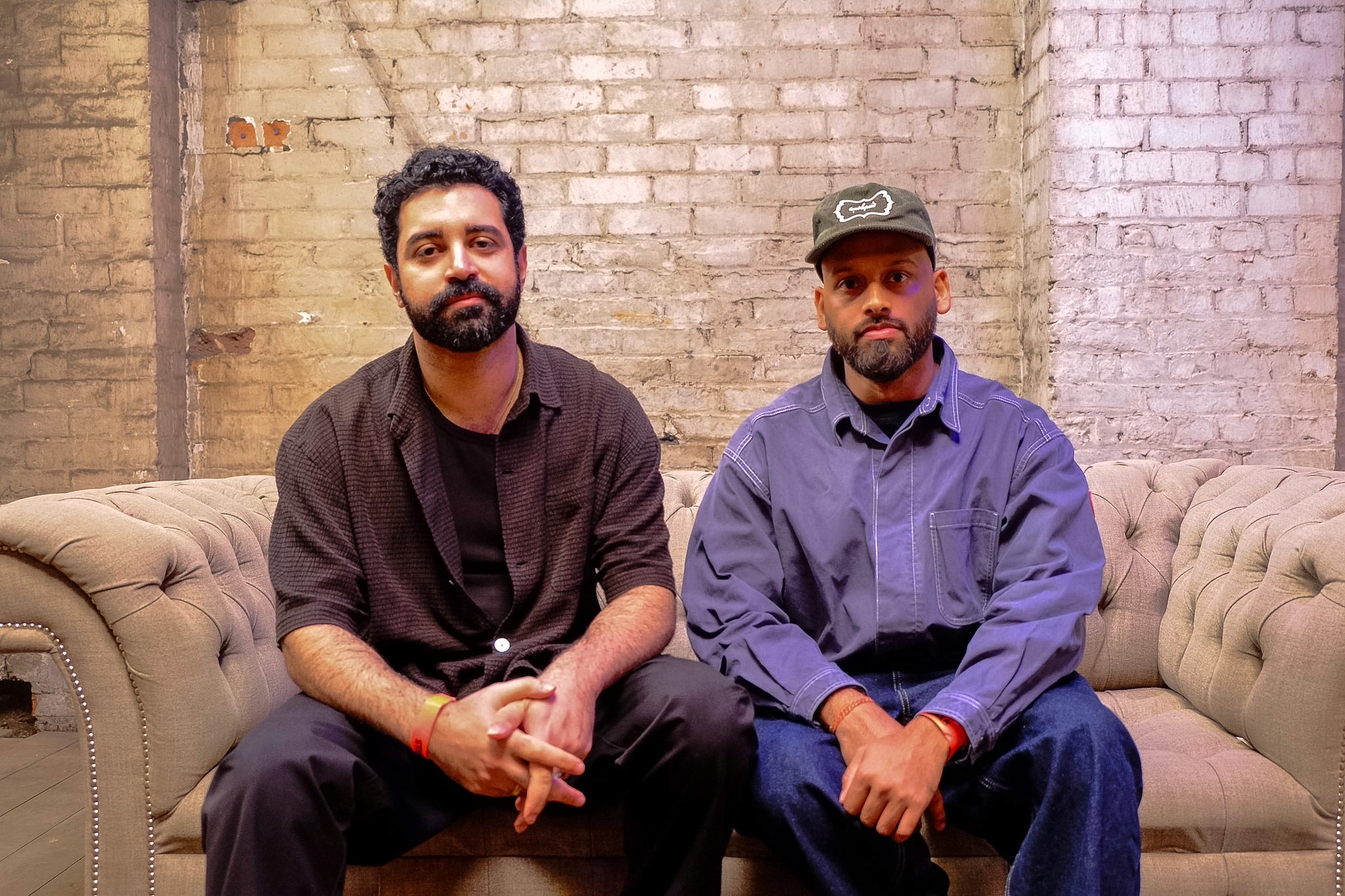
South By Southwest (SXSW): Jawani 4Eva Takeover - From Grassroots To “Tha” Global Platforms
Features
•
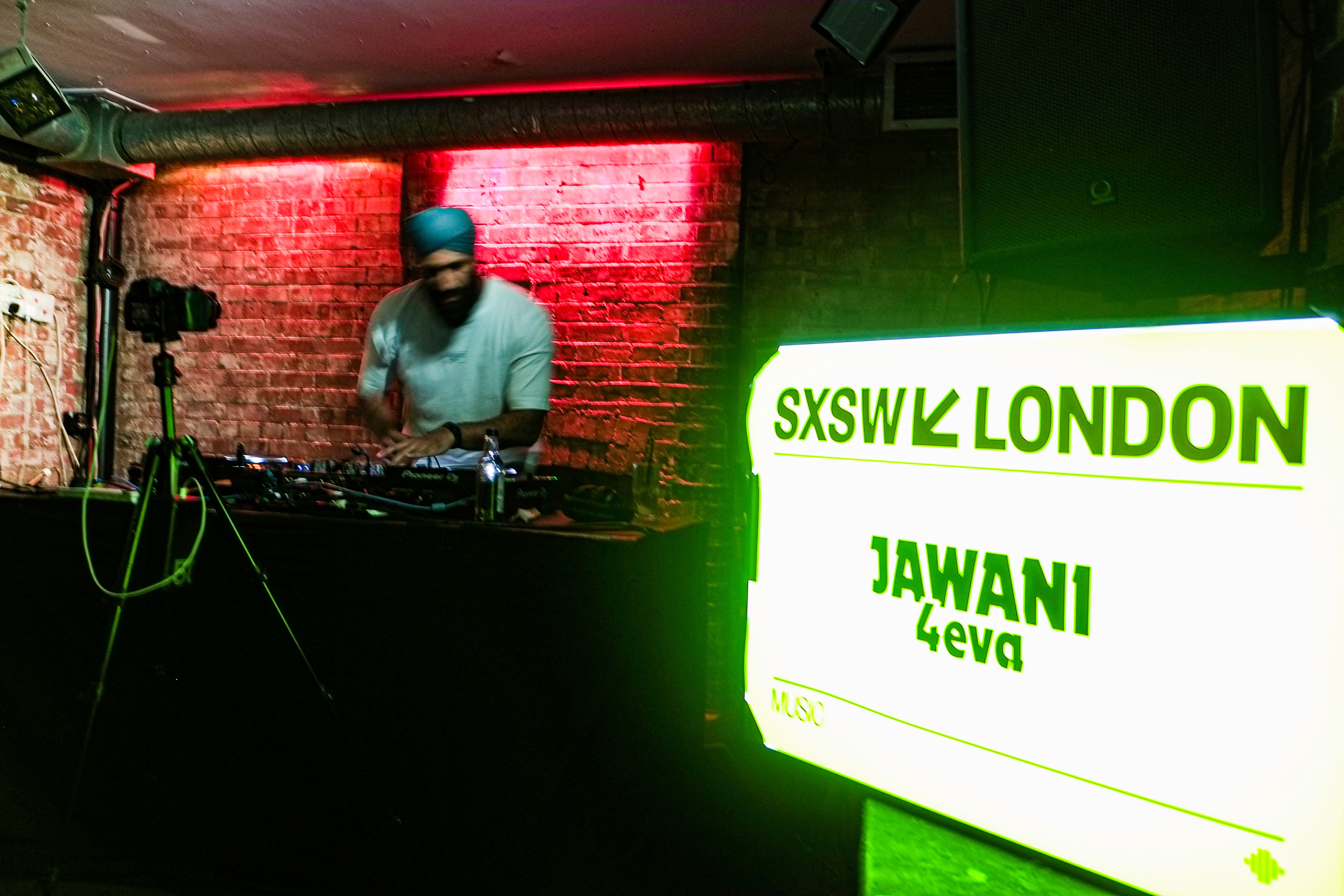
For almost 40 years, South By Southwest (SXSW) has united music, film, technology and culture, starting out in Austin, Texas, before eventually moving across the Atlantic. London became its most recent home in 2025, and Shoreditch offered a suitable setting: A place where various sounds, communities, and cultures already exist side by side. That idea felt particularly present this year. Across the evening, moving between venues meant moving between completely different identities, each offering their own interpretation of London’s cultural landscape. Among them, Jawani 4Eva flew the flag for the Panjabi community in London.
As the festival moved to London, South Asian creativity became a bigger part of its music program. This year’s lineup featured a wide range of artists, collectives, and organisations, from community groups like Jawani 4Eva to larger names like the BBC Asian Network and international projects like SOUNDVILLA. Instead of treating South Asian music as an afterthought, the festival highlighted its growing impact on UK culture and showed how grassroots communities are helping shape the future of music.

In recent years, Jawani 4Eva has become one of the UK’s top South Asian collectives. The group blends Panjabi culture with music, fashion, art, and community work, providing young people in the diaspora a space to celebrate their identities while staying grounded in Panjabi culture and supporting a new generation of creatives who mix different genres and influences. Their events show what modern British Panjabi identity looks like by combining Bhangra and folk music with UK Garage, Hip-Hop, Afro-inspired rhythms, and electronic sounds. Amplifying spaces that stay true to their roots while staying musically fresh. At its core, it acts as a centre for community, collaboration and artistic storytelling, giving creatives real chances to connect and be represented.
Being invited to help curate part of SXSW London’s music lineup was a big step for Jawani 4Eva and the wider South Asian creative community. Programming has a bigger overarching role than just performing because it means choosing which stories and communities get seen. This recognition from a major festival shows its trust in a grassroots group that has worked hard to build its reputation. It also suggests that institutions are starting to value communities that have made their own mark on culture, instead of expecting them to fit old models.
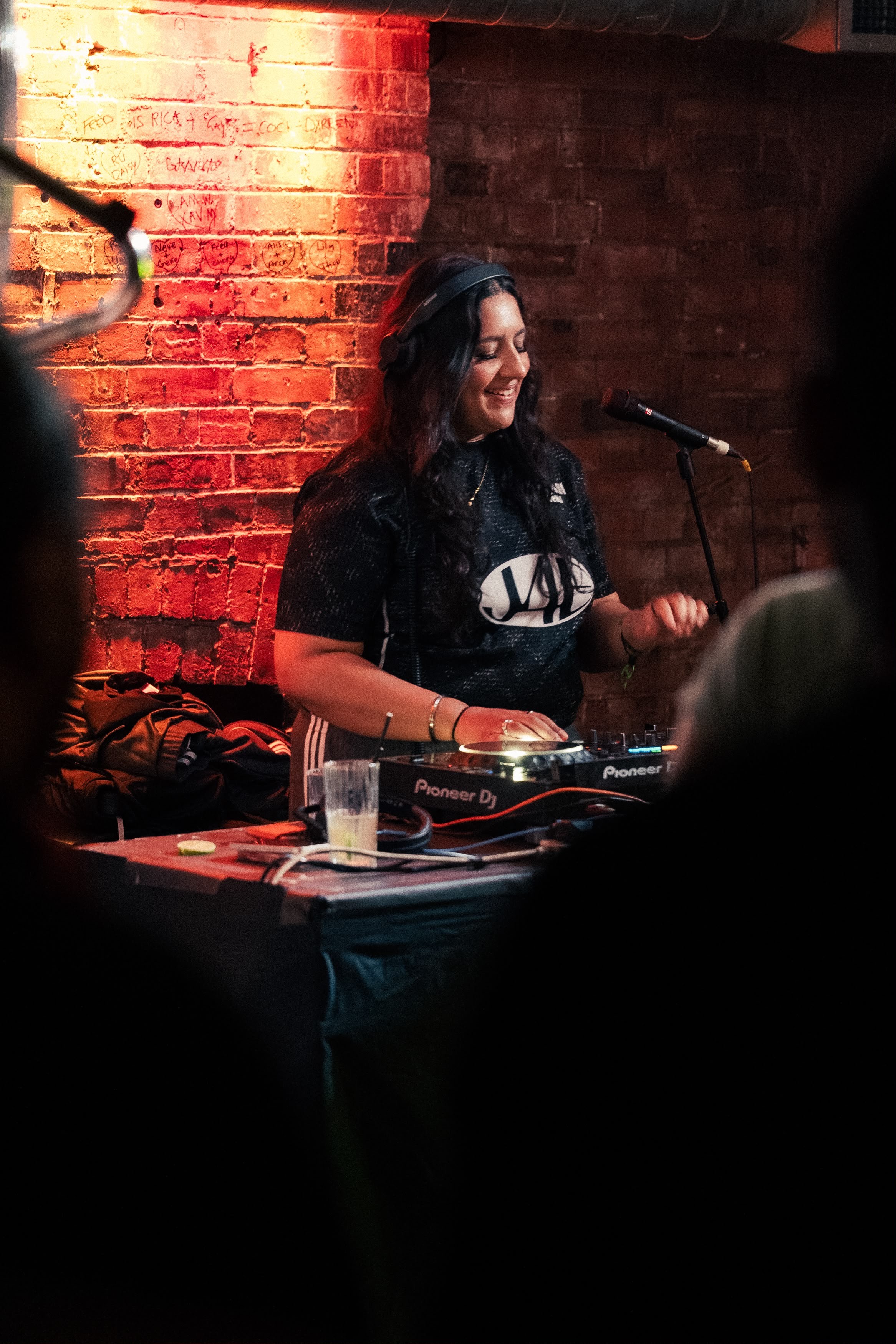
Jawani 4Eva’s role at SXSW is more than just a one-time success. It’s part of a bigger trend of South Asian influence growing in British music and culture, where you see today’s artists and collectives aren’t sticking to one genre; They’re continually blending different identities and styles. For example, Panjabi vocals with UK Garage beats, South Asian percussion paired with electronic music, and traditional sounds showing up in modern club scenes.
This shift shows a generation moving through different cultures, creating new forms instead of choosing between tradition and modern platforms. Groups like Jawani 4Eva have sped up this shift by building spaces that support trying new things and celebrating cultural identity.

Jawani 4Eva matters because it grew from the community. Before big festivals noticed them, the group was already curating events, helping independent artists, and creating chances for creatives often left out of the mainstream. Their success comes from steady support for people and culture, not from following commercial trends and as more festivals and organisations focus on South Asian creativity, it raises an important question: Are these communities finally getting the recognition they deserve, or are institutions just starting to notice movements that have been around for a long time? The truth is probably somewhere in the middle.
Their role in London’s creative hub that week went beyond visibility; It showed real influence. The journey from grassroots beginnings to programming at a major exhibition reflects a bigger shift as South Asian creatives keep building platforms, supporting talent, and shaping conversations, with events like SXSW now expanding their horizons.
One moment that perhaps captured that sense of community better than anything planned was when “East West Pizza” owner Devinder Singh came across what was happening and stopped to ask about the event. After hearing what Jawani 4Eva was doing, he later returned, this time carrying pizzas for everyone. It was a small, spontaneous gesture, but one that felt familiar to the Panjabi hospitality we all know, appearing naturally in the middle of a major international festival. There was no organised collaboration or activation behind it, just someone from the local community seeing what was happening and choosing to support it.
With SXSW London being a step forward, not the end goal, the main challenge now is to make sure these opportunities last and aren’t just symbolic. From what we’ve seen over the years, ongoing support for independent groups, new artists, and community projects will be key to keeping up this progress. That said, the hope is that festivals will see South Asian creativity as an integral part of UK culture, not just something to drop in as a special feature.
SXSW London 2026 showed that the future of UK underground music will keep being shaped by communities who tell their own stories, create their own spaces, and change what modern culture looks like. For In Tha House, that’s probably the main takeaway. The future of South Asian creativity depends not just on moments of visibility, but on communities that keep building culture from the ground up. The aim is to make sure the next generation has even more chances to be seen, heard, and celebrated.

Share
Copy link